
“ADHD:
Short for attention-deficit hyperactivity disorder. A condition characterised by symptoms that include inattention, hyperactivity and impulsivity. But not all of these need to be present for a child to be diagnosed with ADHD. The terms ADD, and ADHD are often used interchangeably; however, one incorporates the hyperactivity factor along with inattentiveness, while the other predominantly has struggles to focus and keep concentration/attention. Short attention spans are noted across both of these.” 1
ADHD AND DRUMMING
Music therapy, for a start, is a well-known alternative measure to combating a variety of disorders. “Nothing activates the brain so extensively as music,” says Oliver Sacks, M.D., professor of neurology at Columbia University and author of Musicophilia.
“For children with ADHD, music therapy bolsters attention and focus, reduces hyperactivity, and strengthens social skills. Music is rhythm, rhythm is structure, and structure is soothing to an ADHD brain struggling to regulate itself to stay on a linear path. Music exists in time, with a clear beginning, middle and end,” says Kirsten Hutchison, a music therapist at Music Works Northwest. "That structure helps an ADHD child plan, anticipate, and react.” Now take this notion of how rhythm is so highly effective, and combine it with the physical, primal, interactive act of banging the drums… and the results speak for themselves (even if briefly). Not to mention having fun at the same time.
So what do we know?
The drums are one of the few instruments that access the entire brain… Active engagement, creativity and physically playing rhythms help to sync the left and right hemispheres of our brain, leaving us feeling more connected with ourselves.
There is still an enormous amount of knowledge needed to be uncovered for us to better and more comprehensively understand the cognitive and psychological reasons behind the disorder. This in fact, rings true across most learning and behavioural disorders. However, positive ADHD diagnoses are becoming more and more prevalent across the world, which is encouragingly leading to a major increase in research and information coming out - as well as reducing the stigma around being ADHD positive.
Helping raising awareness and normalising ADHD is the increasing number of celebrities and highly successful public figures that are speaking out about having not only ADHD, but a variety of learning and behavioural disorders such as Dyslexia, Dyspraxia, Dyscalculia, and Obsessive-Compulsive Disorder (OCD) to just name a few.
These celebrity ADHD’ers range from olympic gold medalists to actors to highly successful entrepreneurs (who proved the Psychology Today’s statistic that someone with ADHD is 300% more likely to own their own [successful] business). 2.
But what about Medicating?
In recent years GP’s are reported as becoming more aware of how easily slight changes in dosage can affect the users. And as such are approaching the medicating process more incrementally, allowing themselves and the user time to find the correct measure for a maximised outcome. Which overall is great news!
Unfortunately, medicine and indeed alternative measures do not always work for everyone; even if the person attempting the intervention is thoroughly enjoying the activity in the case of perhaps music therapy. So, a combination of medication and alternative therapies are seeming to be the option for some… It was shown in the Go Mad Music founders’ (Lee-Jaime) 2013 research study that a combination of the Go Mad Drumming course and medication could over time feasibly lead to an increase in attention and a decrease in dosage. The key is structured, routine practise and also that it takes time to see results.
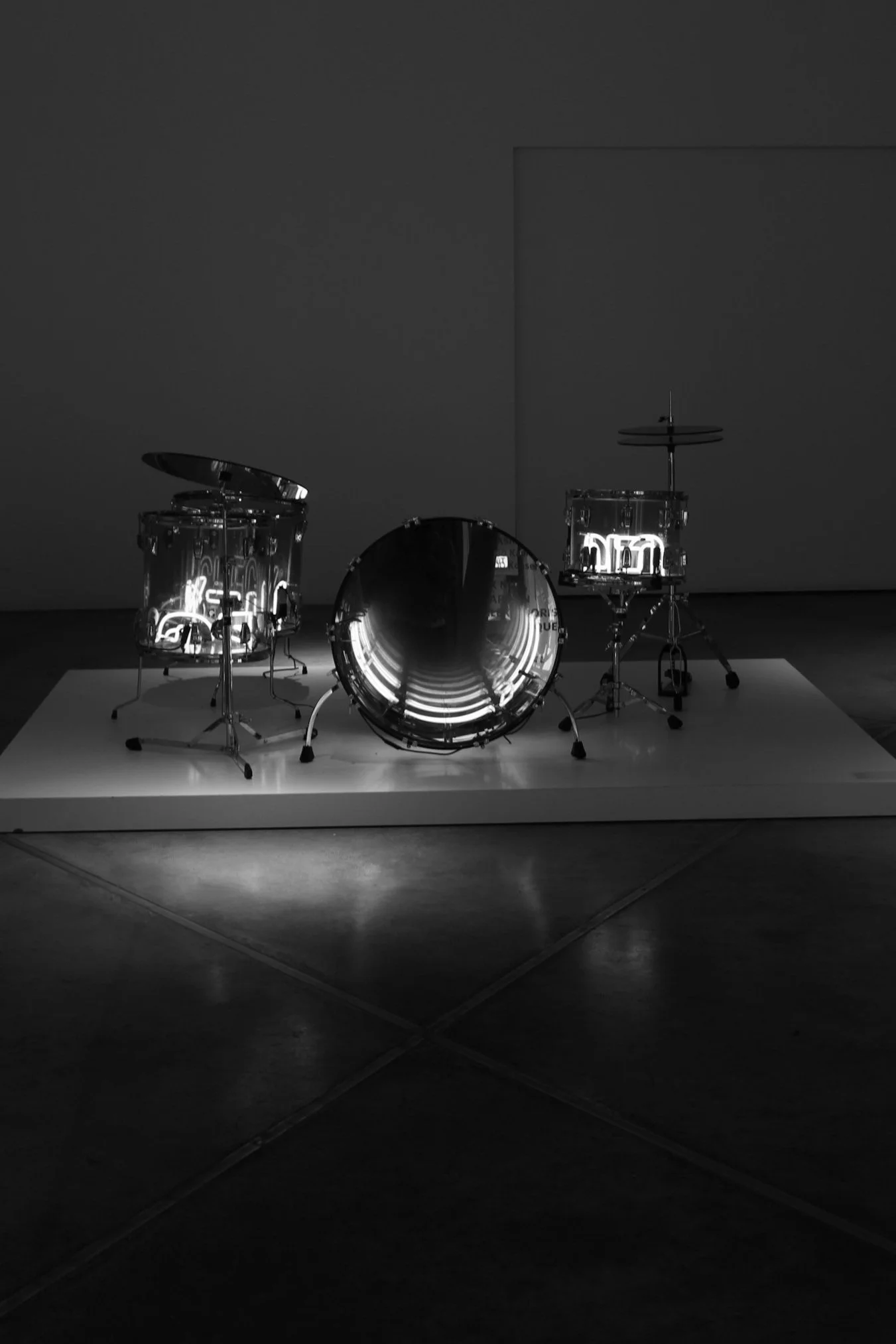

Today, studies are purposefully being carried out to empirically display the beneficial properties music plays on so many of our major cognitive functions, coordinative functions, emotional responses, and psychological functions - the effects are coming out very positively. One such study was in 2016; a pilot study as part of a Masters Degree carried out by Lee-Jaime, showed positive results that even after one 30 minute drum class, there were overall increased levels of cognitive performance across all participants.
Research to date shows that pleasurable music increases dopamine levels in the brain. This neurotransmitter responsible for regulating attention, working memory, and motivation is in low supply in ADHD brains. “Music shares neural networks with other cognitive processes,” according to Patti Catalano, a neurologic music therapist at Music Works Northwest. “Through brain imaging, we can see how music lights up the left and right lobes. The goal of music therapy is to build up those activated brain muscles over time to help overall function.”
As a side note:
Having worked personally using rhythm and music with sufferers of brain injuries, it is so amazing to see how so many of these concepts using music are not only being applied to ADHD/ADD children and young adults, but for a variety of DSM listed learning difficulties, as well as for “at-risk” youths, and Alzheimer and Dementia patients. The intention with younger people being, that with early development of managerial skills (self managing daily life and the disorders) people can begin to excel from much younger ages. Combine this with the increase in awareness, where teachers are no longer simply labelling the children as disruptive or worse, greatness can be achieved much earlier on… There will always (of course) be the exceptional few that reach greatness early on regardless, and there will be those who struggle to achieve, even with aids. But for most, some help and guidance along the way can unlock great amounts of hidden potential.
https://www.understood.org/en/learning-attention-issues/personal-stories/famous-people/14-musicians-with-learning-and-attention-issues
https://www.parenting.com/gallery/famous-people-with-add-or-adhd?page=0
Famous people with ADHD or other learning difficulties
Buddy Rich (drummer The Buddy Rich orchestra)
Kieth Moon (drummer The Who)
Mick Fleetwood (drummer Fleetwood Mac)
Aaron Gillespie (session drummer)
Justin Timberlake (singer in NSync, solo artist) ADHD and OCD – he’s known for beat boxing (highly rhythmic and based on drum patterns).
Adam Levine (Maroon 5) – lead singer and guitarist, started his musical journey as a drummer and still occasionally takes a seat a behind the drums.
Will.I.Am (Black Eyed Peas, solo artist, producer) – his rapping, hip-hop/techno/dance music is all heavily rooted in rhythm and groove.
Florence Welch (singer Florence and the Machine)
Steven Tyler and Joe Perry (lead singer and lead guitarist Aerosmith)
Ozzy Osbourne (singer Black Sabbath, solo artist) – has both ADHD and Dyslexia
Carly Simon (singer solo artist)
Jewel (singer and guitarist solo artist)
Joss Stone (singer and guitarist solo artist)
Lou Reed (singer and guitarist solo artist)
Noel Gallagher (guitarist Oasis, solo artist)
Stuart Copeland (drummer The Police)
Tony Bennett (singer solo artist)